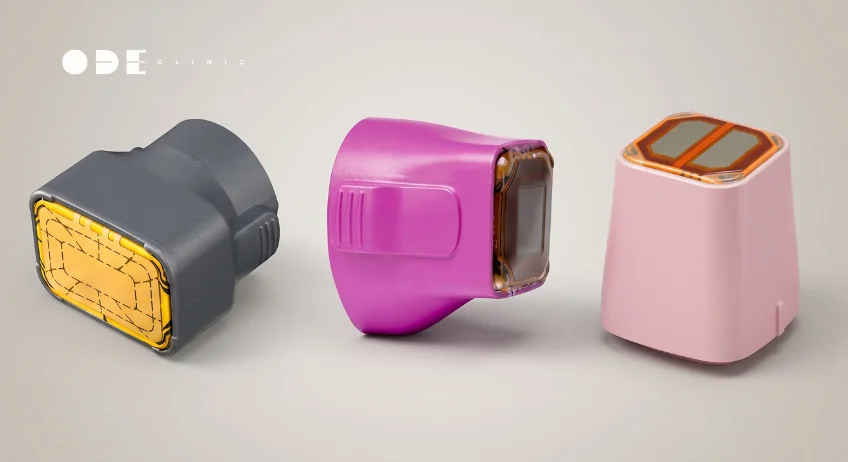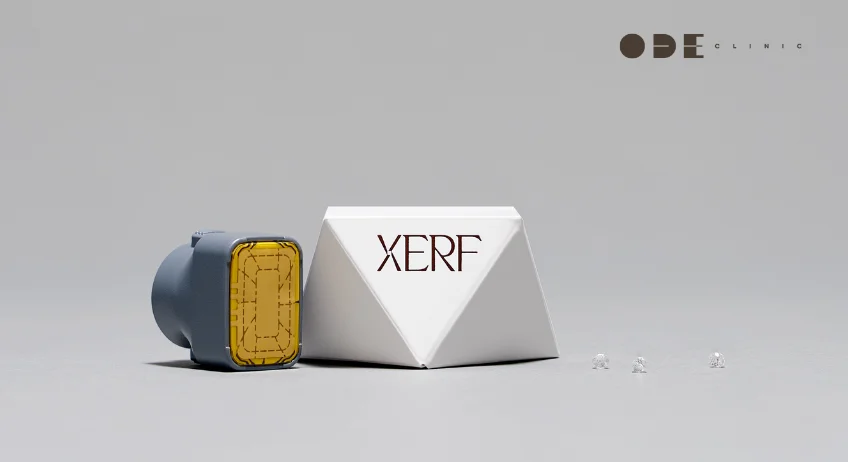
XERF Lifting vs. Thermage: The Next-Gen Skin Tightening Guide (Price & Results)
XERF Lifting vs. Thermage: The Next-Gen Skin Tightening Guide (Price & Results)
April 12, 2026
First published / Last modified
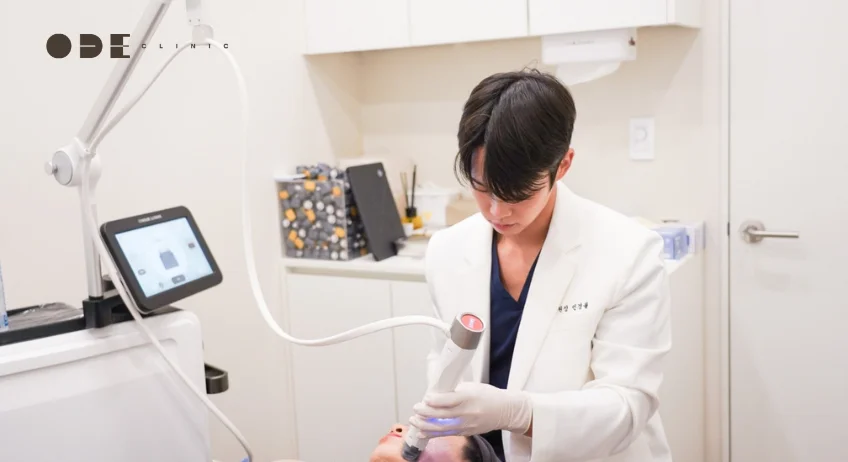
Table of Contents
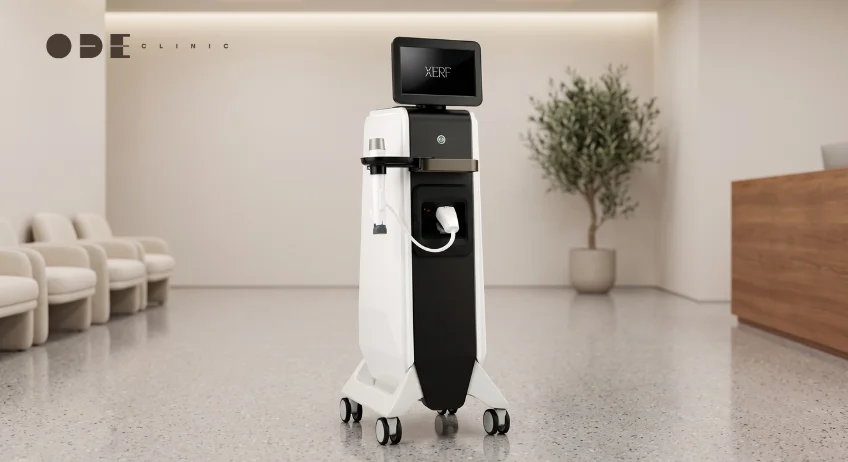
The XERF lifting treatment has recently become a hot topic in the medical aesthetics industry. It is an ambitious new monopolar radiofrequency (RF) device launched by Cynosure Lutronic. While it belongs to the same category as the industry-standard Thermage, XERF comes packed with innovative features that set it apart from traditional RF devices.
Today, I’ll explain in simple terms how XERF differs from existing RF treatments and what kind of results you can expect.

💡 Related reading: XERF Treatment Cost in Seoul : A Complete 2026 Price Guide
XERF Effects: Lifting + Tightening
1. Characteristics of Traditional RF Treatments
The market is already filled with high-quality RF devices such as Thermage FLX, Density, Oligio, and Volnewmer. These monopolar RF treatments work by delivering heat to a shallow, broad area of the skin. Once this thermal energy accumulates, it triggers collagen denaturation and remodeling.
Unlike Ultherapy, which can sometimes cause side effects like facial fat loss (hollowing) due to its deeper reach, RF treatments primarily target the dermis. This makes them a go-to for patients seeking "natural" anti-aging with minimal downtime or swelling.
However, "natural" often meant that the visible "lifting" effect was subtle. Since traditional RF energy is confined to the dermis, it focuses on tightening (making the skin firmer and slowing down the sagging process) rather than physically lifting fallen tissue.
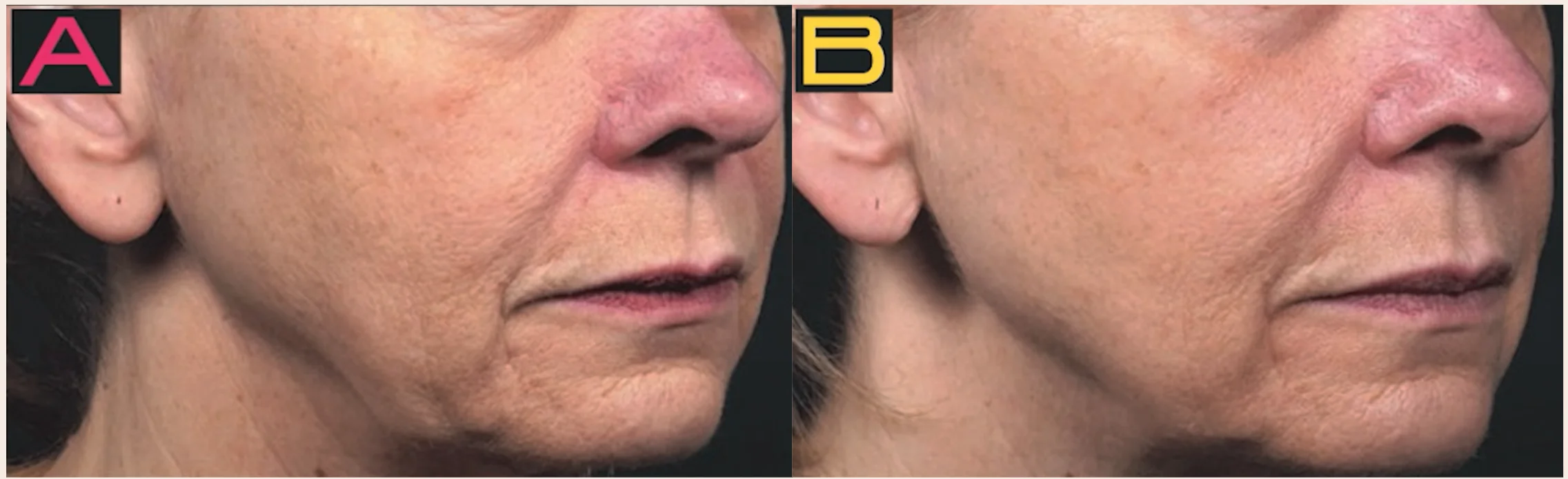 <Before and After High-Frequency Tightening Procedure>
This is why some patients who expected a dramatic lift from expensive Thermage treatments often said, "I'm not sure if it worked."
 <When do Thermage effects start, cases where Thermage is ineffective...>
2. The XERF Difference: Dual-Frequency Innovation
The newly released XERF is different. While many devices have focused on reducing pain through cooling or lowering costs, XERF has innovated the functionality itself by adding a new frequency.
By combining the standard 6.78MHz with a new 2MHz frequency, XERF delivers thermal energy beyond the dermis, reaching the subcutaneous fat layer and the SMAS (fascia) layer.
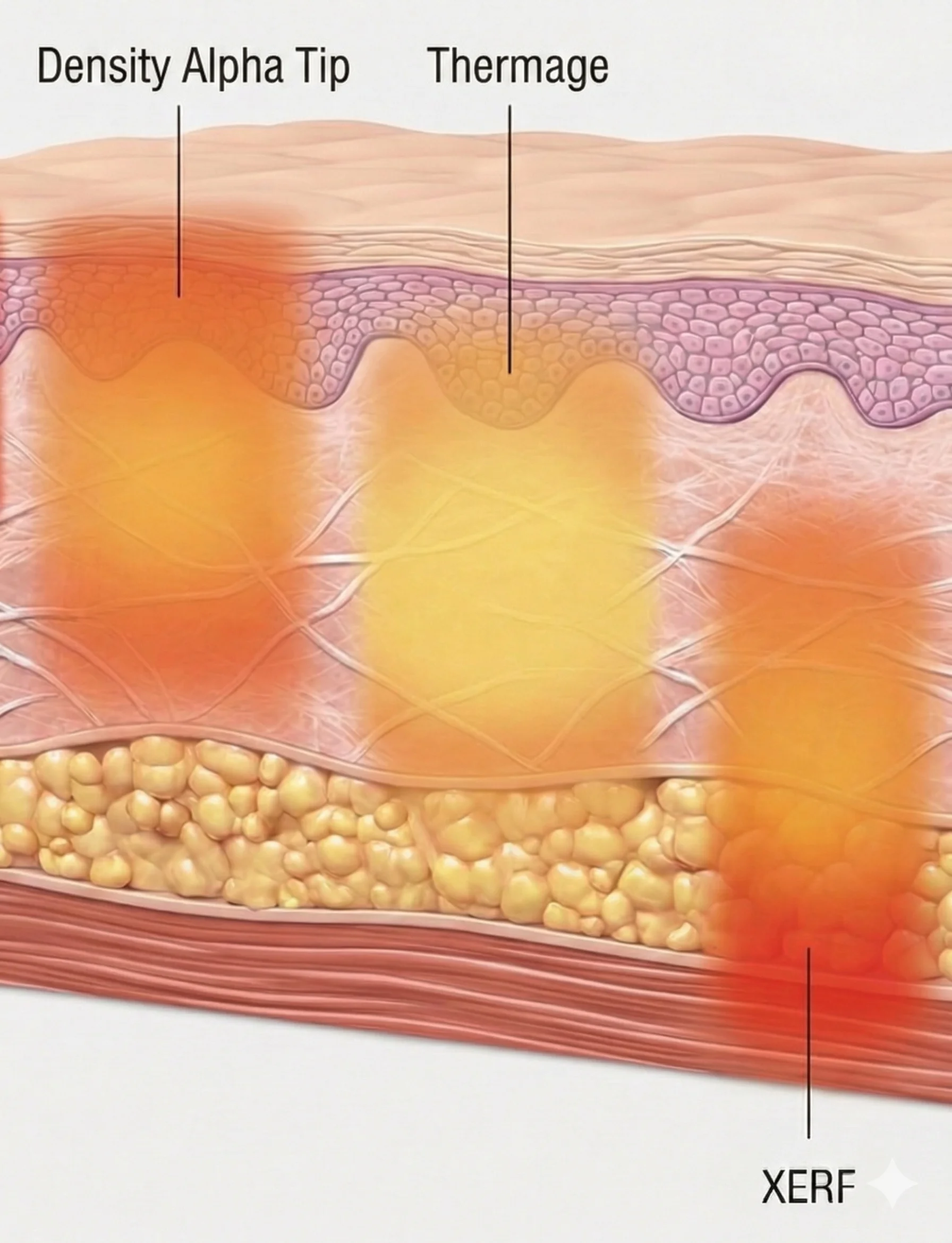
Scientific Reference: Efficacy of dual‐frequency noninvasive monopolar radiofrequency in skin tightening: Histological evidence
As a result, XERF offers not just a tightening effect, but a visible lifting effect that directly improves sagging areas. This is why many reviews describe XERF as a "perfect blend of Ultherapy and Thermage."
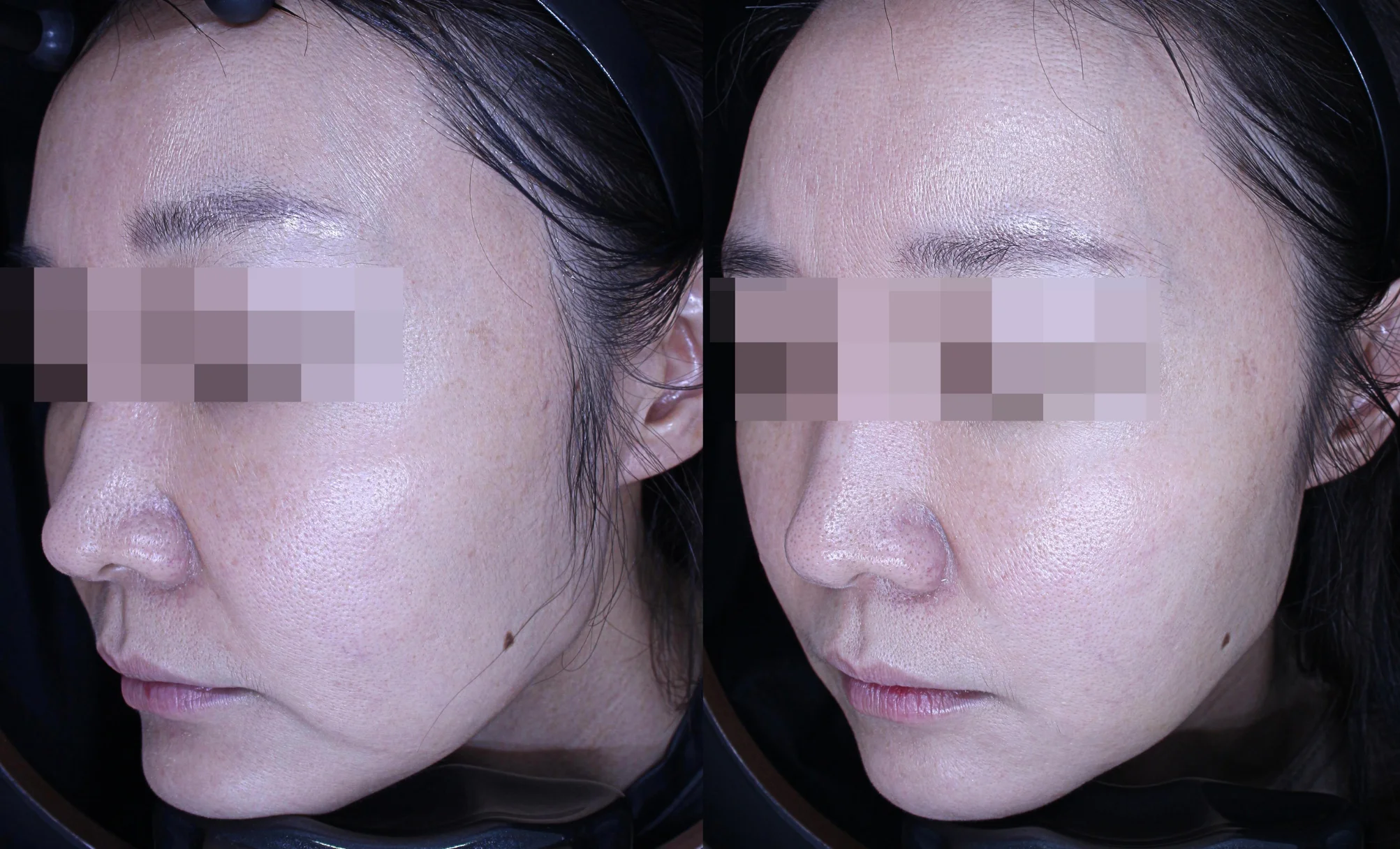
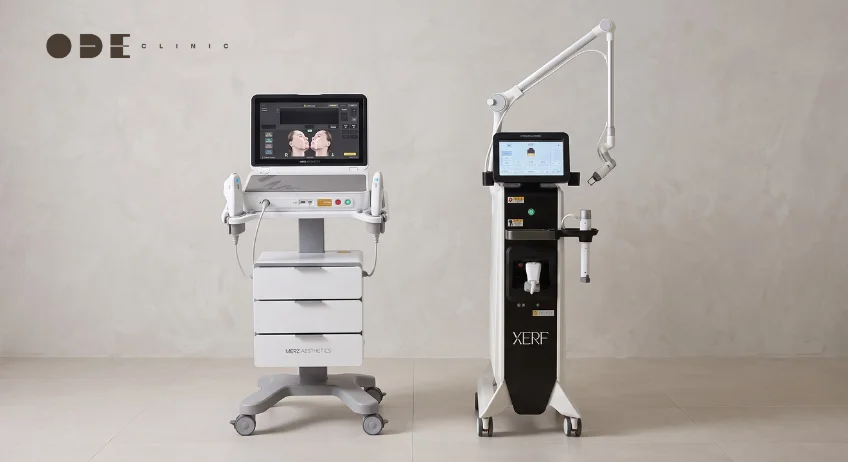
Comparison: Thermage FLX vs. XERF
Feature | Thermage (FLX) | XERF |
Main Frequency | 6.78MHz (Single) | 6.78MHz + 2MHz (Dual) |
Key Effect | Dermal Tightening & Elasticity | Tightening + Deep Lifting |
Pain Level | ★★★★☆ (Sharp pain) | ★★★☆☆ (Deep heat sensation) |
Treatment Depth | Limited to Dermis | Dermis to SMAS Layer |
Clinical Applications: Why Choose XERF?
You might wonder, "Why not just get Thermage for tightening and Ultherapy for lifting?" While that is an option, XERF occupies a unique and necessary position in the market.
1. Overcoming the Limitations of Ultherapy
Ultherapy uses focused ultrasound (HIFU) to create thermal coagulation points, causing strong contraction. However, it has a critical limitation: it cannot be used directly on areas where major nerves pass.
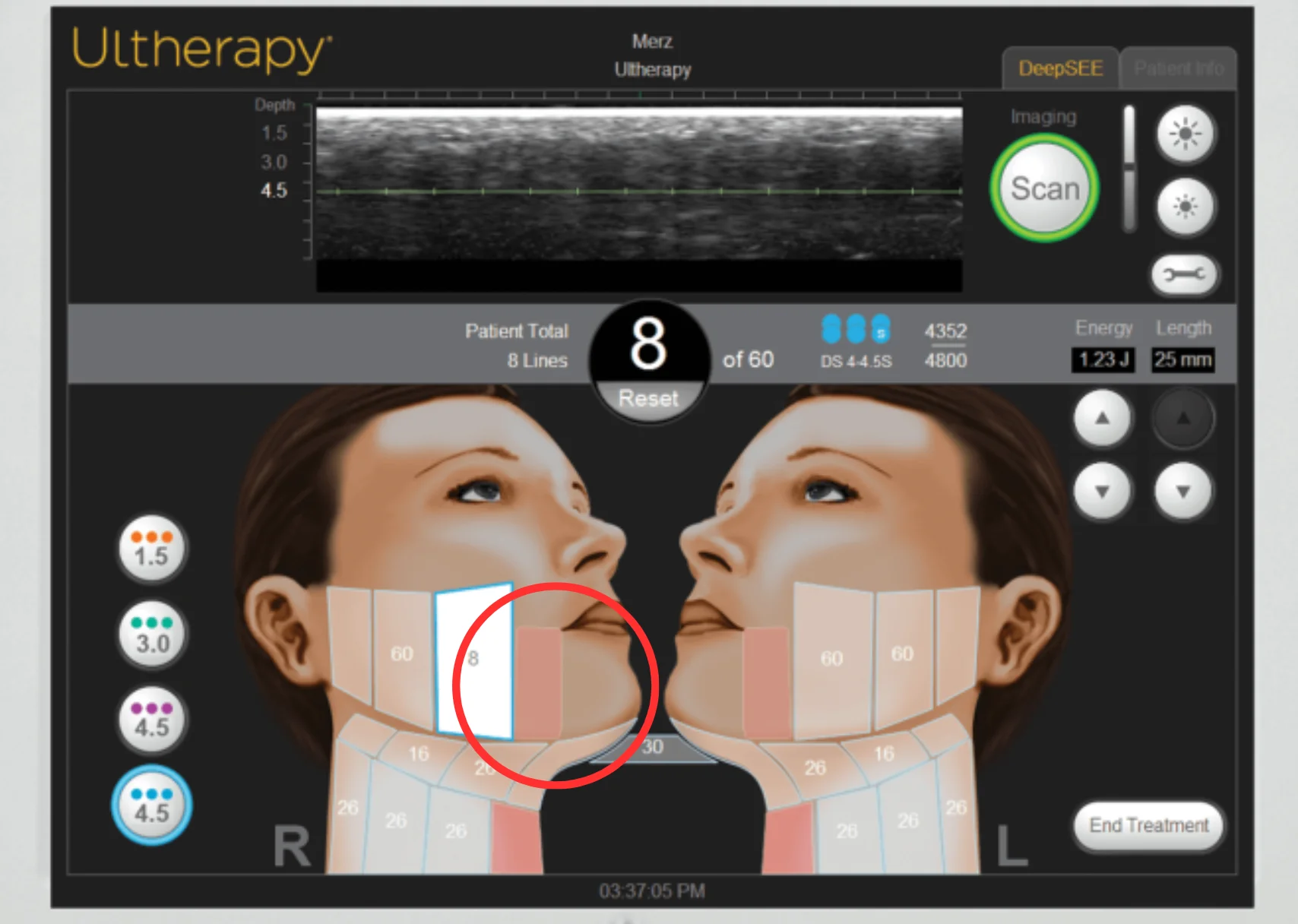
The areas often marked in red on an Ultherapy screen (such as the jowls) are off-limits for direct shots. Unfortunately, these are the very areas that sag and turn into deep wrinkles if left untreated.
Since XERF uses bulk heating, it can safely treat the jowl area to induce a lifting effect without risking nerve damage.
2. Synergistic Lifting Effects
XERF targets the retaining ligaments of the face. Unlike Ultherapy, which contracts the fascia, XERF strengthens the support system of the skin. When combined with Ultherapy, it creates a powerful synergy for those seeking maximum lifting results.
3. Minimal Pain and Downtime
Ultherapy often involves a sharp, deep pain (typically rated 7-8 out of 10). XERF feels more like a deep heat and features a powerful ICD cooling system, bringing the pain level down to about a 5. It is an excellent choice for those sensitive to pain. Furthermore, while Ultherapy can cause swelling for 1-2 weeks, XERF has virtually no downtime, making it ideal for those with busy schedules.
XERF Treatment Cost
XERF is typically administered in 300 or 600-shot sessions.
300 Shots: Recommended for those primarily focused on lifting. (Approx. 1 million KRW)
600 Shots: Recommended for a total transformation of both tightening and lifting. (Approx. 1.8 - 2 million KRW)
How to Choose the Right Clinic for XERF
Rather than just looking for the cheapest price, consider these criteria:
Clinical Experience: Unlike standard RF devices, XERF requires the practitioner to adjust depth settings in real-time. Results vary significantly based on the doctor's skill.
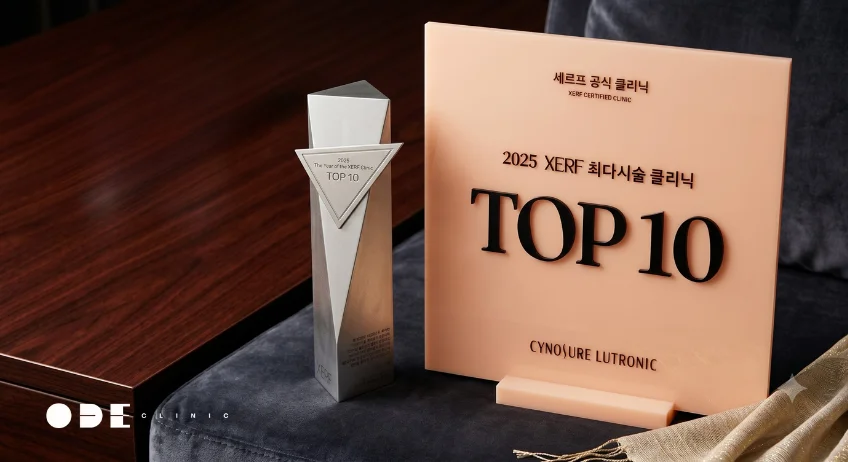
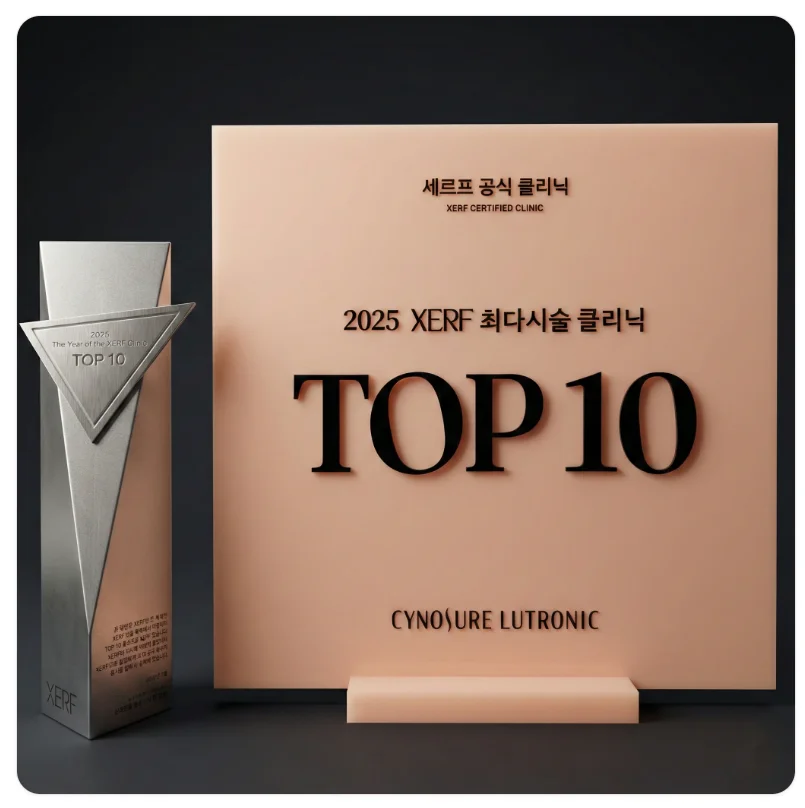 Note: ODE Clinic was selected as a 2025 XERF TOP 10 Clinic.
Direct Consultation with the Doctor: Ensure the performing physician personally evaluates your face to determine if XERF is the best fit for your specific skin type and aging concerns.
Conclusion
XERF is not just a "budget version" of Thermage. It is an innovative dual-frequency device that achieves deep tissue lifting—something previously difficult for RF technology.
XERF is an ideal option if you:
Want tightening and lifting simultaneously.
Are concerned about nasolabial folds or jowls that Ultherapy couldn't fully reach.
Need a treatment with no downtime before an important event.
Don't wonder alone—visit a professional clinic for a personalized consultation.
This is Dr. Do-hoon Kim from ODE Clinic. :)
Related Posts
The Ultimate Guide to XERF treatment in 2026 | ODE clinic Seoul, Korea
ODE Clinic Gangnam Recognized as a Top 10 National Hospital for XERF (Officially Certified by Cynosure Lutronic)
XERF vs Ultherapy: A Doctor Explains the Real Difference (2026)