Hilowave treatment reviews, vs. juvelook, before and after, side effects
Hilowave treatment reviews, vs. juvelook, before and after, side effects
April 12, 2026
First published / Last modified
Table of Contents
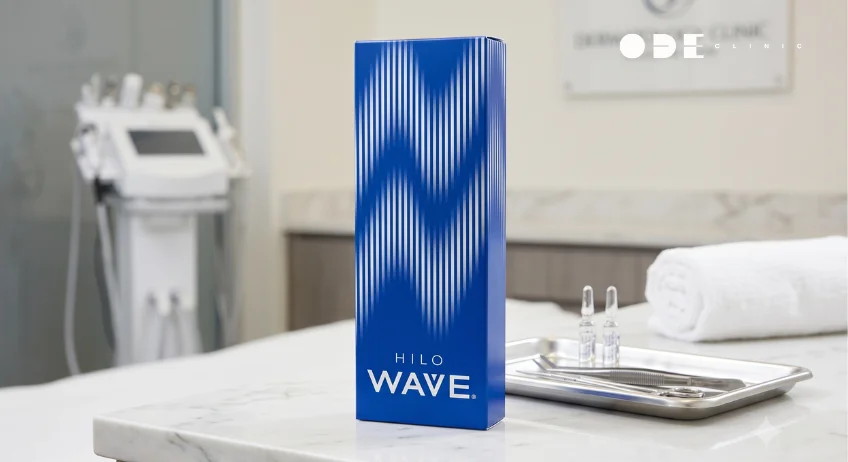
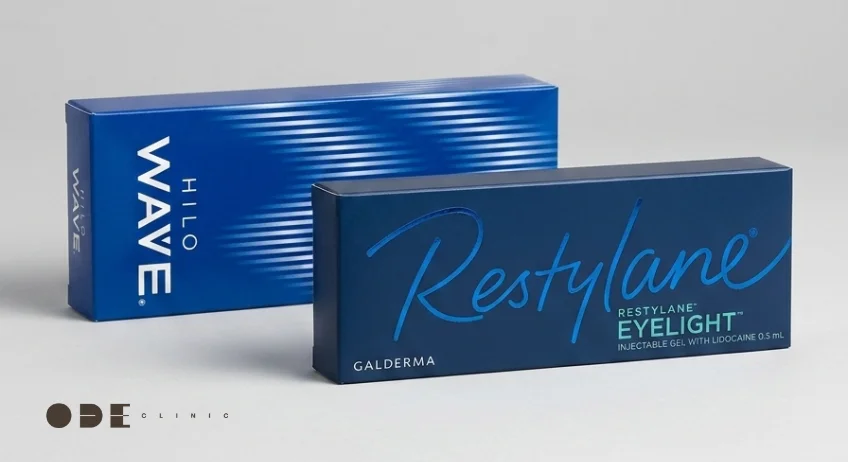
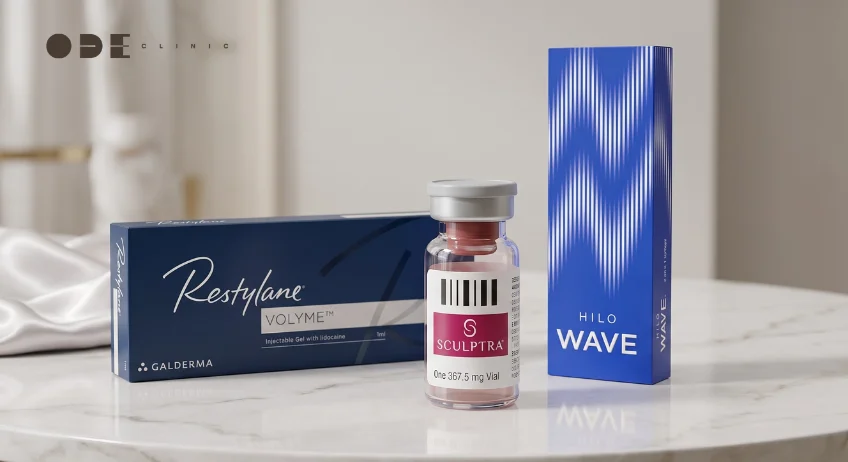
Hilowave is a unique volumizing treatment that stands apart from traditional Hyaluronic Acid (HA) fillers or collagen stimulators like Juvelook Volume.
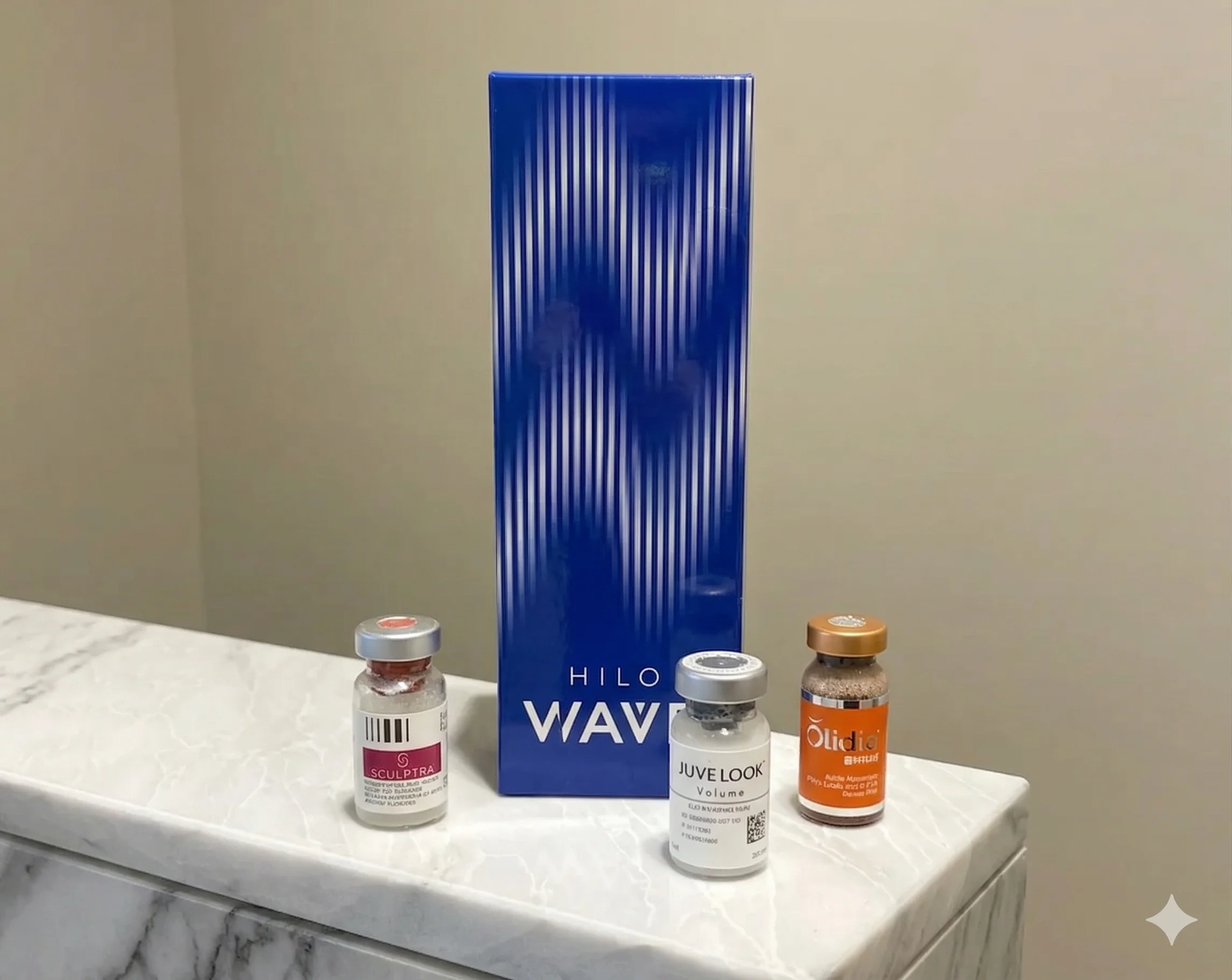
Today, I’ll explain the key benefits of Hilowave and why we recommend it in clinical practice, in a way that’s easy to understand.
💡 Related reading: Hilowave Longevity and Side Effects (vs. filler and juvelook volume)
What is Hilowave?
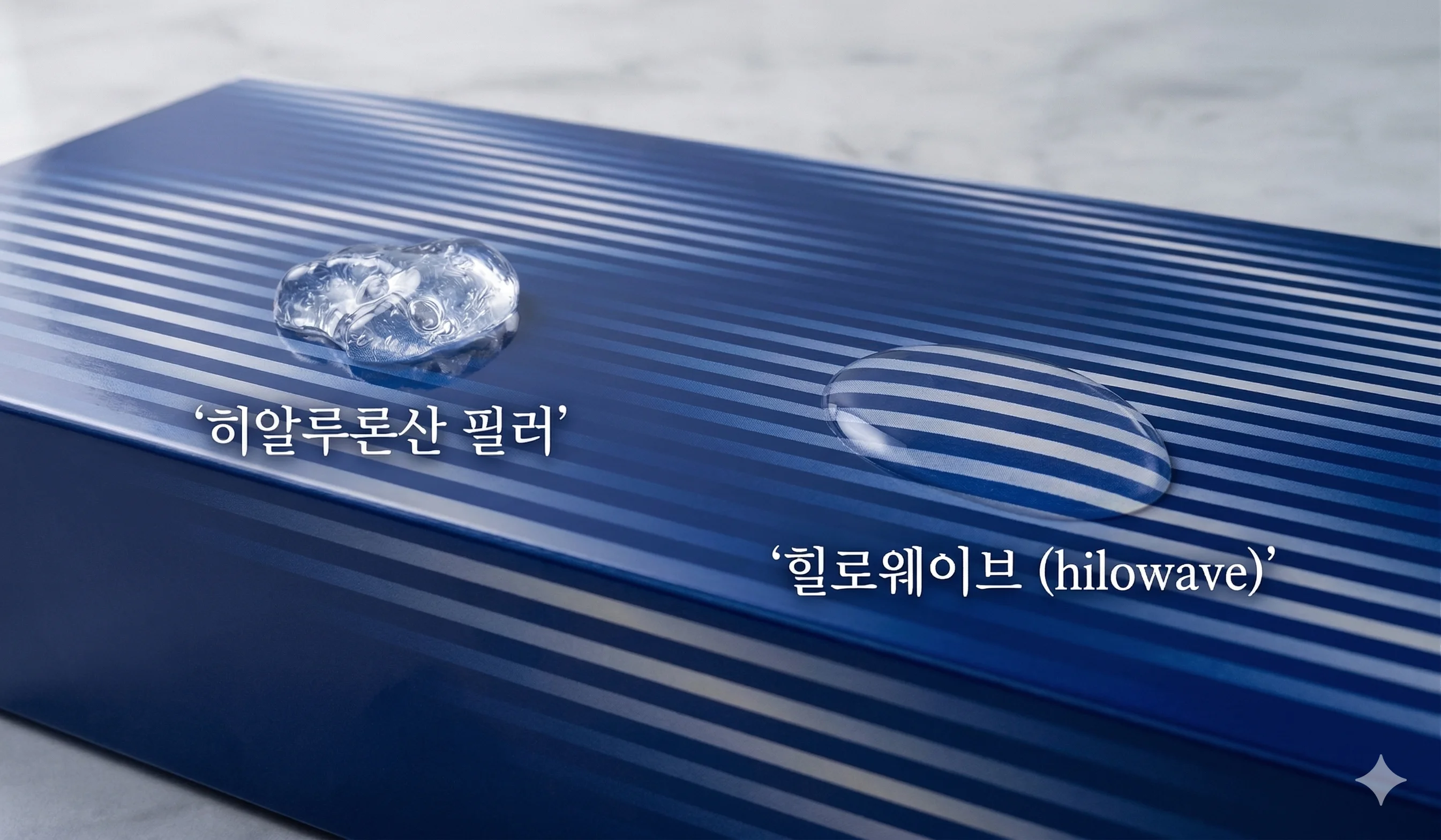
Unlike conventional HA fillers, Hilowave is a soft-textured volumizing treatment with minimal cross-linking agents (BDDE). This low-BDDE formulation provides several unique advantages:
1. Enhanced Safety Profile
Traditional fillers can sometimes cause serious side effects, such as tissue necrosis, if accidentally injected into a blood vessel. However, because Hilowave has a very fluid, low-viscosity texture, it is highly unlikely to cause vascular occlusion. Additionally, since it is not a pure collagen stimulator like Juvelook, the risk of nodules (lumps) is almost zero.
2. Natural Finish & No "Foreign Body" Sensation
Standard fillers can sometimes feel stiff or unnatural under the skin. For areas like the sunken cheeks, where skin adhesions are common, Hilowave can be injected superficially while breaking up those adhesions. This results in a smooth, natural-looking volume without that uncomfortable "heavy" feeling.
3. Immediate Results (with a shorter duration)
As an HA-based treatment, you will see an instant improvement right after the procedure. However, because it uses minimal cross-linking agents for safety and texture, the results typically last 3 to 6 months, which is shorter than traditional fillers.
Comparison: Juvelook Volume vs. Filler vs. Hilowave
Feature | Juvelook Volume | Traditional Filler | Hilowave |
Main Ingredient | PDLLA | Hyaluronic Acid (HA) | Dual Hyaluronic Acid |
Onset of Results | Takes several months | Immediate | Immediate |
Longevity | 2+ years | Approx. 1 year | 3–6 months |
Side Effects | Minimal effect / Nodules | Foreign body feel / Occlusion | Minimal to None |
Best For | Cheeks, Smile lines | All areas | Sunken Cheeks |
“Does Hilowave actually stimulate collagen?”
Yes, it does. Clinical studies have shown that the combination of low-molecular and high-molecular weight HA effectively promotes the synthesis of collagen and elastin, improving hydration, wrinkles, and skin elasticity.
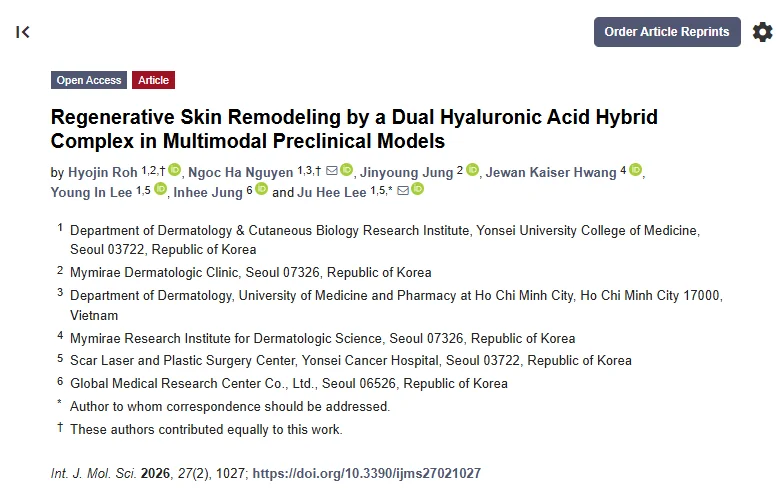
(Reference: Regenerative Skin Remodeling by a Dual Hyaluronic Acid Hybrid Complex in Multimodal Preclinical Models)
However, further research is needed to determine if this collagen production is limited to the dermal layer or if it can provide long-term structural volume similar to Juvelook Volume.
Recommended Areas for Hilowave
Because Hilowave is designed for a soft, natural look, it has less "lifting power" than traditional fillers. Therefore, it is not recommended for areas requiring sharp definition like the forehead, nose, lips, or chin.
However, I highly recommend it for sunken cheeks. Whether you have wide-area volume loss or narrow, deep hollows caused by skin adhesions, Hilowave is often a better first-choice option than Juvelook or standard fillers.
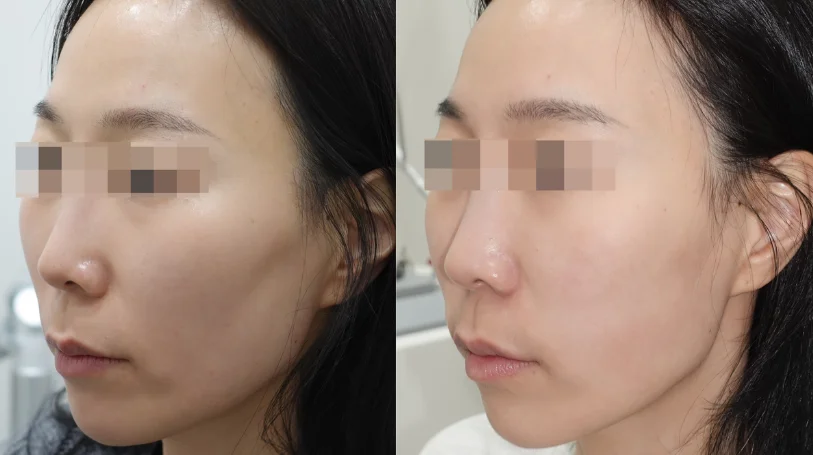 <Narrow burden of adhesion>
“Is Hilowave good for smile lines (nasolabial folds)?”
While possible, it is not my first choice. The area around the mouth moves constantly, causing the soft Hilowave formula to break down and absorb faster. I usually recommend collagen stimulators like Radiesse for smile lines, but Hilowave is an excellent alternative for patients who are worried about the risk of nodules.
Pricing and Dosage
Hilowave is typically administered in 2cc increments, with prices generally ranging from 400,000 to 600,000 KRW per 2cc.
“How many cc’s will I need?”
This varies greatly depending on the degree of volume loss. Patients with mild hollows may see great results with just 2cc, while those with significant volume loss may require 6–8cc.
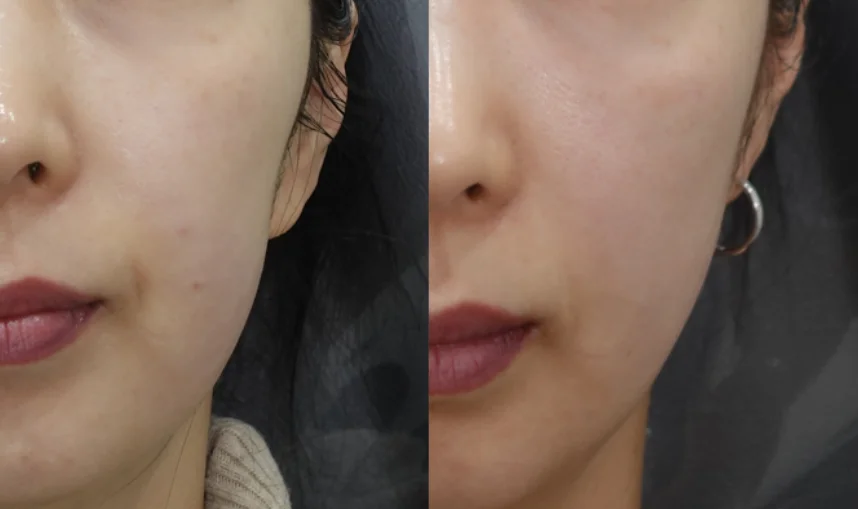 (For reference, filling typical sunken cheeks usually requires about 3cc per side.)
Frequently Asked Questions (FAQ)
Q: Can I see results after just one session?
A: Yes. Unlike some skin boosters, Hilowave provides immediate volume, much like a filler.
Q: How often should I get the treatment?
A: You can get a touch-up whenever you notice the volume fading. Most patients return every 4 to 6 months for maintenance.
Q: Is there any downtime (bruising/swelling)?
A: Swelling is minimal. There is a slight chance of bruising at the cannula entry point, which typically fades within 1–2 weeks.
Conclusion
Choosing the right treatment shouldn't be a DIY project. To get the best results, I recommend a consultation with an experienced doctor who has extensive experience with Juvelook, Fillers, and Hilowave.
This has been Dr. Do-hoon Kim from Ode Clinic.